
The first hour after a crash is a blur. Phones come out, insurance cards get swapped, and most people tell the officer they are “fine” because adrenaline is doing the talking. Then the next morning your neck is stiff, your lower back is tight, and sitting at your desk feels like a chore. If that sounds familiar, you are not alone, and it does not mean you waited too long to take it seriously.
Vitalcare Health & Rehab helps Orlando drivers, passengers, and riders recover from auto injury with hands-on chiropractic care, guided rehab, and careful documentation. This page covers what to do after a car accident, when the emergency room should come first, how a motorcycle injury chiropractor approaches rider injuries, and what to expect at your first visit. For a broader look at injury care, see our overview of personal injury treatment in Orlando.
The human body is built to absorb force slowly. A collision asks it to absorb force in a fraction of a second, and your neck, shoulders, and lower back often take the brunt even in a lower speed impact. Seat belts save lives, but the same belt that holds your torso can strain the chest wall and shoulder, while the head keeps moving.
Symptoms of a personal auto injury may not appear for hours or days. Watch for:
None of these is a reason to panic, but each one is a reason to be examined. A prompt exam creates a record of how you felt right after the crash, which helps both your recovery plan and any insurance claim that follows. Our injury FAQ answers common questions about whiplash and how soon symptoms can appear.
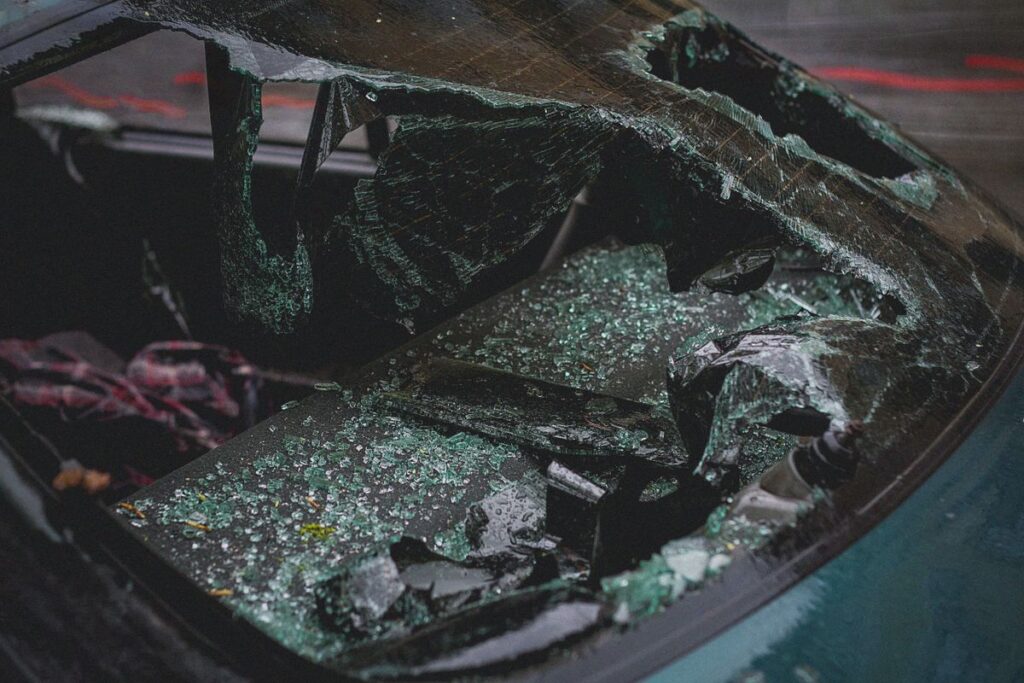
This is the question we hear most, and the answer depends on your symptoms.
Go to the emergency room or call 911 right away if you have:
The emergency room is built to rule out life threatening problems such as fractures, internal bleeding, and head trauma. A chiropractor is not a substitute for that level of care.
See an auto injury chiropractor soon after the crash if you were cleared at the ER but still hurt, or if you feel stiff and sore without any red flag symptoms. Chiropractic care focuses on the spine, joints, and soft tissues that commonly stay painful after a collision.
One Florida detail is worth knowing. Under Florida Statute 627.736, the higher $10,000 PIP medical limit applies when a qualified provider determines you had an emergency medical condition. As written in the 2024 statute, the providers listed for that determination are medical physicians, osteopathic physicians, dentists, physician assistants, and advanced practice registered nurses, and chiropractic physicians are not on that list. Without that determination, the medical limit is $2,500. That is one more reason we encourage an ER or urgent medical evaluation when your symptoms are significant, followed by chiropractic care for recovery.
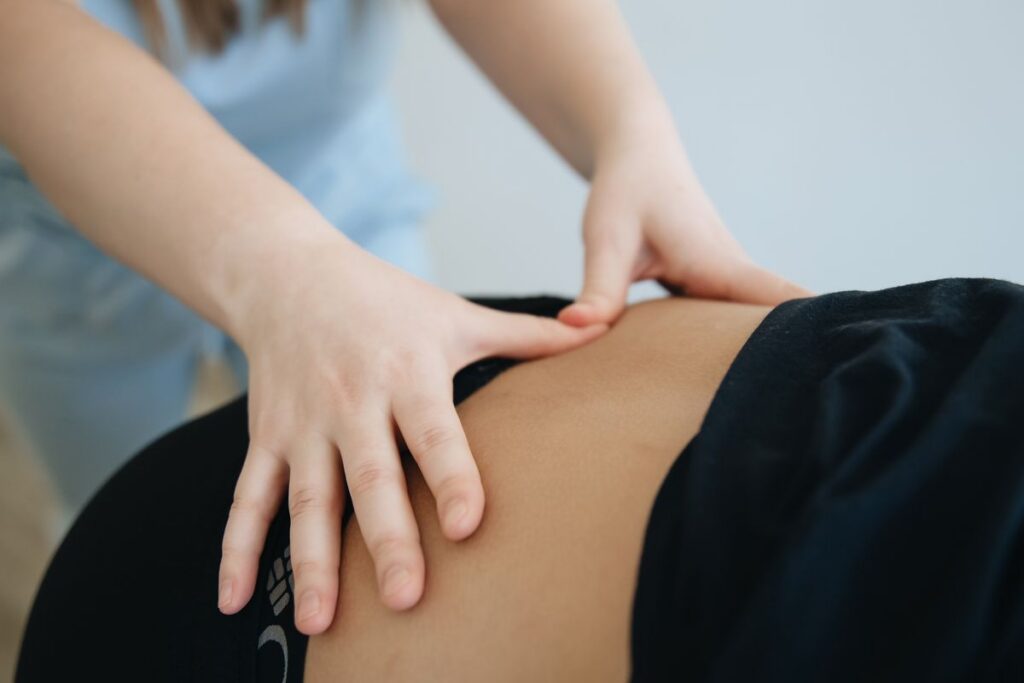
Auto injury care starts with the story of the crash, because the mechanics of the impact point to where problems are likely to hide. At Vitalcare, your first visit includes questions that are specific to car accidents, such as:
From there we perform a physical and orthopedic exam, check motion and strength, and screen for nerve involvement. If findings suggest a fracture, disc injury, or other concern that needs imaging or a specialist, we coordinate that referral. When chiropractic care is appropriate, you receive a written plan that explains your diagnosis, the goals, and how often we expect to see you. Depending on your exam, care can include spinal adjustments, soft tissue therapy, and rehab exercises, and we explain each step before we begin.
Our Orlando injury services page shows how this fits with the other injury types we treat, and our About Us page introduces the team behind your care.
A rider has no steel frame, no airbag, and no seat belt. When a motorcycle goes down or is struck, the body often meets the pavement or another vehicle directly. That changes the injury pattern, and it changes how a motorcycle injury chiropractor plans care.
Common rider complaints include shoulder and collarbone pain, wrist and hand injuries, low back and hip pain, neck strain, and road rash that sits on top of deeper joint and muscle damage. Because the forces can be higher, an emergency room evaluation comes first for any motorcycle crash with significant pain, a head impact, or a fall at speed. Once you have been medically cleared, chiropractic care can address the joint restrictions, muscle guarding, and movement problems that often linger, and rehab can rebuild the strength and balance riding demands.
Insurance also works differently for riders. Florida’s no-fault PIP system is built around four wheeled motor vehicles, and in general it does not extend to motorcycles, so a rider’s medical bills may be handled through other coverage or through a claim against an at-fault driver. Every situation is different, so confirm your coverage with your insurer and speak with a licensed Florida attorney about your options. We are a health care provider and cannot give legal advice, but we can provide the records you need.

What you do in the first few days affects both your health and your paperwork. A simple checklist helps:
For more recovery guidance and local tips, browse the Vitalcare blog.
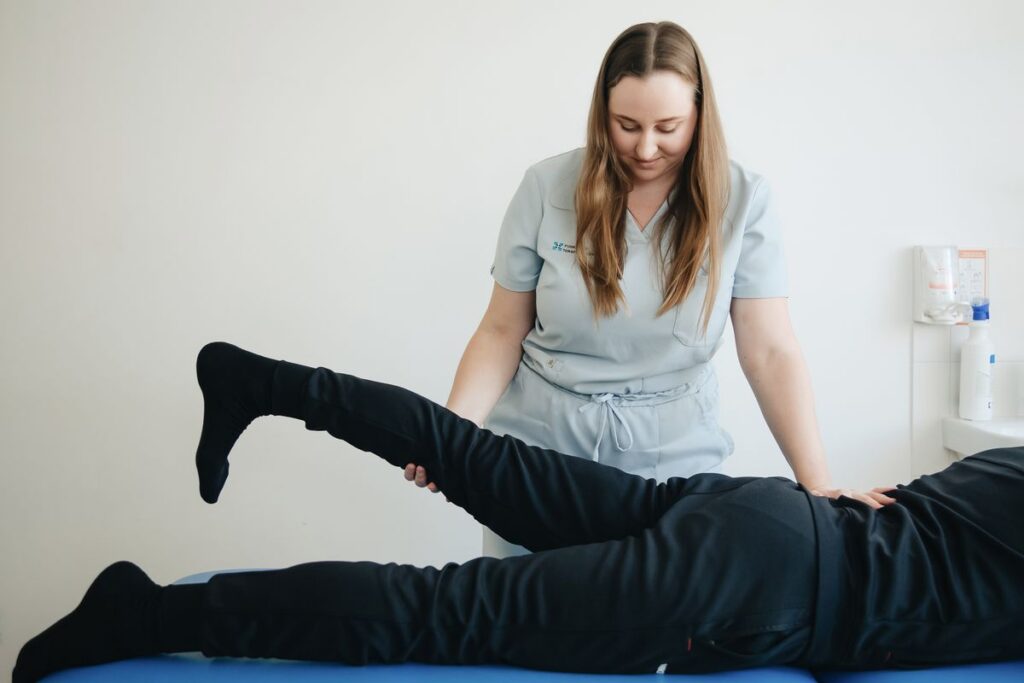
Two habits make the biggest difference in how a personal auto injury resolves. The first is showing up for care as planned. Gaps in treatment can slow healing and can raise questions later about whether your symptoms were related to the crash. The second is telling your provider about every symptom, including ones that seem unrelated, such as headaches or sleep trouble. Complete notes give your care team a full picture and give you an accurate record of your recovery.
We re-evaluate your progress at set points and adjust your plan. When you reach your goals, we taper visits and send you home with exercises so the gains last.
If you have no red flag symptoms and feel stable, a prompt exam with a doctor or chiropractor is a reasonable next step. If anything feels wrong, such as a worsening headache or numbness, go to the emergency room.
Yes. Many patients are cleared at the ER and still have neck, back, or joint pain. A follow up visit can pick up where the ER left off.
Some people hurt right away, while others notice symptoms the next day or a few days later. That delay is common, and it is a good reason to get checked even if you feel okay at first.
In general, PIP is tied to four wheeled motor vehicles and does not cover motorcycle riders. Check your policy and ask a licensed Florida attorney how your case would be handled.
Vitalcare Health & Rehab
1410 N Pine Hills Rd, Orlando, FL 32808
Phone: (407) 533-9830
If you are hurting after a car or motorcycle crash, you do not have to sort it out alone. Contact our Orlando office to schedule your exam and get a clear plan for recovery. You can also learn more about our approach to chiropractic care at Vitalcare.